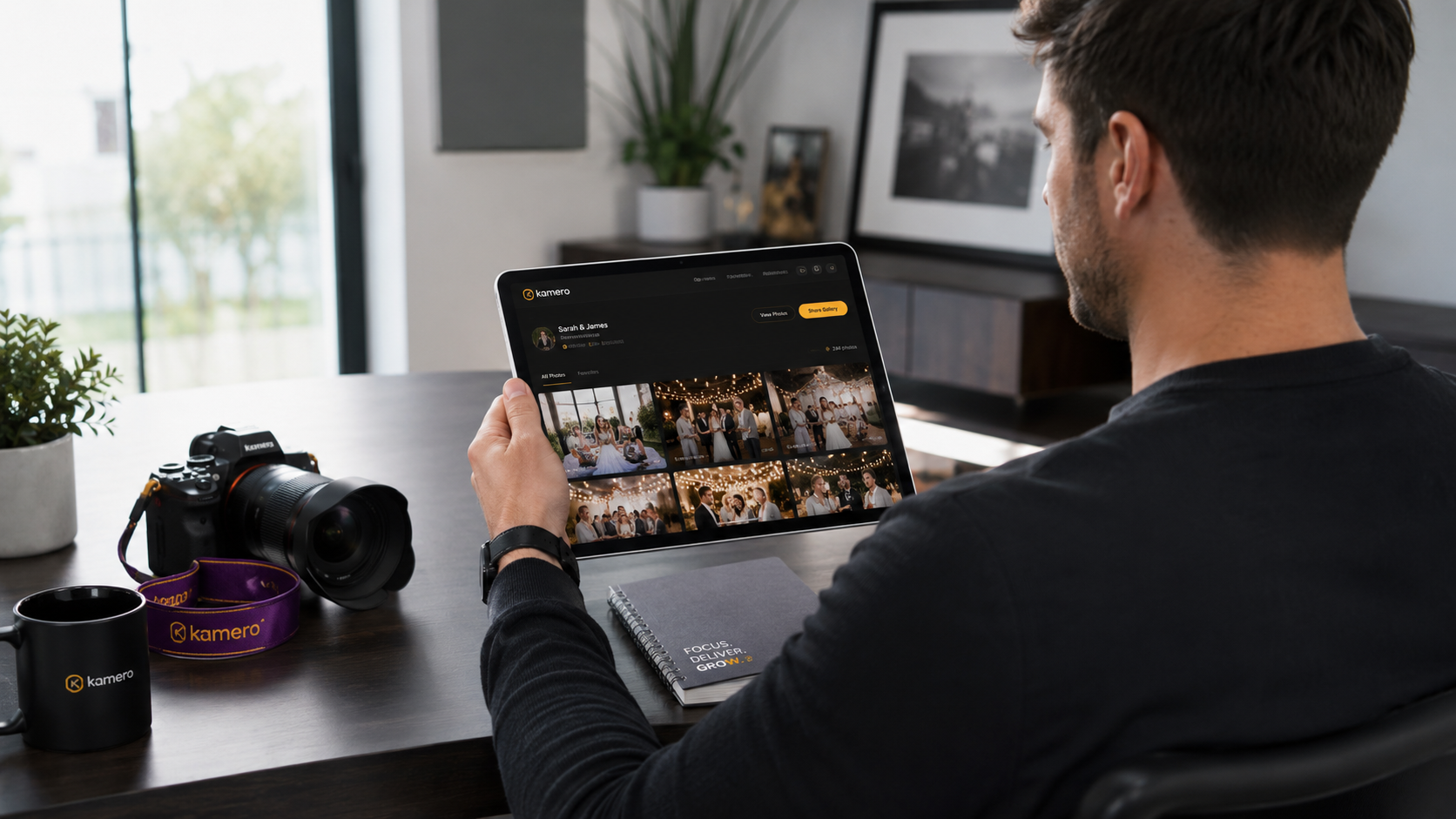
Introduction: The Growth Ceiling Most Solo Photographers Eventually Hit
Every successful solo photographer eventually faces the same challenge.
The skills that helped build the business become the very thing preventing it from growing.
At first, being a one-person operation feels efficient. You shoot the event, edit the photos, communicate with clients, manage deliveries, create albums, and handle payments. But as bookings increase, the workload expands faster than the available hours in the day.
This creates what many photographers call the "time-for-money trap."
Revenue becomes directly tied to personal effort. More weddings require more administrative work. More administrative work leaves less time for marketing, networking, and creative growth.
The solution isn't necessarily hiring a team.
The solution is building systems that allow one person to operate like a much larger business.
This is where AI solo photographer tools, automation, and modern workflow infrastructure become powerful force multipliers.
Why Most Solo Photography Businesses Struggle to Scale
The Hidden Cost of Doing Everything Yourself
Many photographers assume shooting is their primary job.
In reality, photography often becomes a smaller percentage of the work as businesses grow.
Hours disappear into tasks such as:
- Organizing files
- Uploading galleries
- Responding to guest requests
- Managing album selections
- Tracking payments
- Sending reminders
- Delivering final assets
Individually, these tasks appear harmless.
Collectively, they create a massive operational burden that limits growth and contributes to burnout.
The challenge isn't photography.
The challenge is administration.
Moving Toward Automated Studio Management
The most successful solo photographers don't necessarily work harder.
They build workflows that eliminate repetitive work.
Modern automated studio management allows independent photographers to operate with the efficiency of a much larger organization. Tasks that once consumed hours can now happen automatically in the background, allowing photographers to focus on creative work and client relationships.
Instead of becoming trapped by operational complexity, they create systems that scale alongside the business.
Building a Frictionless Single Shooter Workflow
Eliminating the Post-Event Bottleneck
For many photographers, the work begins after the wedding ends.
Memory cards must be transferred, folders organized, backups created, and files uploaded before delivery can even begin. This routine may seem normal, but it introduces delays after every event.
Over the course of a busy wedding season, those delays accumulate into dozens of hours of administrative work.
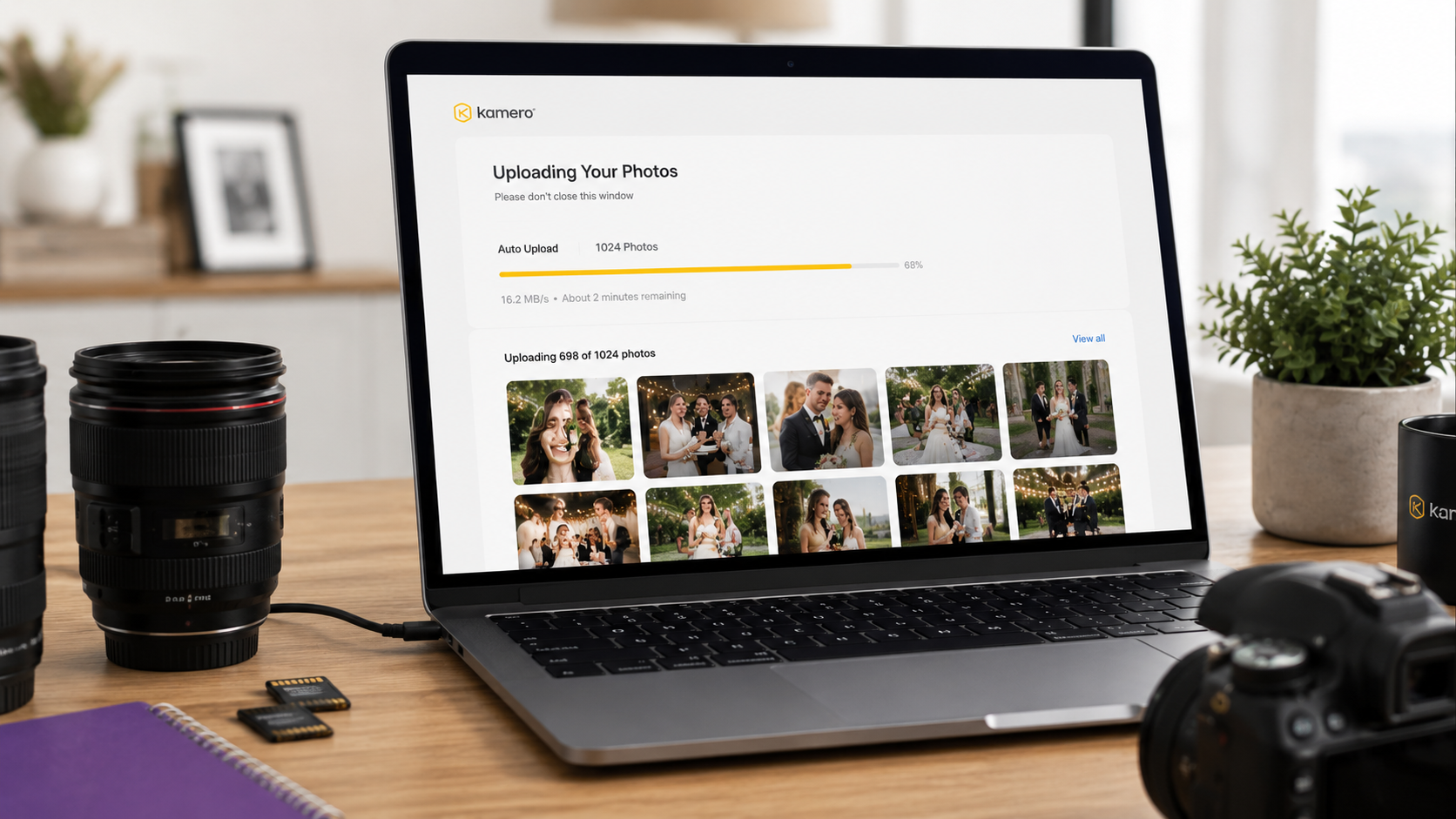
A modern single shooter workflow removes much of this friction by automating the ingestion process itself.
Moving from Camera to Cloud Automatically
Real-time camera-to-cloud infrastructure changes how photographers think about delivery.
Instead of waiting until the event is over, files begin entering the delivery ecosystem while the event is still taking place. Images can move directly from camera bodies into cloud environments through wireless workflows, eliminating much of the manual handling traditionally required.
This creates two significant benefits.
First, photographers spend less time managing files.
Second, clients receive access to content faster.
Both outcomes improve business efficiency.
How Automation Reclaims Hours Every Week
Delivering Photos Without Becoming a Customer Support Team
One of the most overlooked challenges for solo photographers is communication overload.
Guests constantly ask:
- Where are my photos?
- How can I find my pictures?
- When will the gallery be available?
While each message may take only a few minutes to answer, the cumulative effect is substantial.
Automation changes this dynamic.
AI-powered photo discovery allows guests to find their own images through opt-in selfie matching rather than relying on photographers to manually organize folders or send individual links.
The result is a self-service experience that dramatically reduces incoming support requests.
Simplifying Album Selection and Client Approvals
Album selection is another process that frequently slows down solo operators.
Many photographers still manage approvals through messaging apps, screenshots, spreadsheets, and email chains. What should be a straightforward task often turns into weeks of follow-up conversations.
Integrated proofing workflows simplify the process.
Clients can review, favorite, and approve images directly within the gallery environment. This shortens approval timelines and helps projects move toward completion more quickly.
For solo photographers, fewer delays mean better cash flow and less administrative stress.
The Kamero Advantage: Your Invisible Back-Office Team
Replacing Multiple Tools with One Ecosystem
Most photographers gradually accumulate software.
One platform handles storage. Another powers galleries. A third manages proofing. Additional tools support payments, branding, or communication.
Every new platform solves a problem while introducing another workflow.
Kamero takes a different approach.
Rather than functioning as a standalone gallery tool, it acts as a complete operational ecosystem that connects ingestion, delivery, discovery, proofing, branding, communication, and commerce.
For solo photographers, this consolidation can significantly reduce complexity.
Built for Independent Operators
Many software platforms are designed around subscription models that assume photographers have predictable monthly volumes.
This isn't always practical for freelancers whose workloads fluctuate throughout the year.
Kamero's flexible Pay-Per-Event structure allows photographers to align costs more closely with actual business activity. Instead of carrying unnecessary overhead during slower periods, photographers can scale platform usage according to demand.
This makes growth more financially sustainable.
Delivering a Premium Client Experience
Clients rarely see the operational systems behind a photography business.
What they notice is the experience.
Fast delivery, professional branding, personalized discovery, and seamless communication all contribute to how photographers are perceived.
Kamero helps solo operators deliver an experience that feels larger and more sophisticated than a traditional one-person business. Features such as dynamic watermark controls, branded gallery experiences, AI-powered discovery, and mobile-first delivery environments help photographers present themselves as premium providers without requiring additional staff.
Turning Automation Into Revenue Growth
Creating New Income Streams
The most effective automation systems do more than save time.
They create opportunities for revenue.
Integrated commerce tools allow photographers to sell digital downloads, print packages, and personalized image collections directly within the gallery experience. Guests can purchase content while engagement remains high, reducing the friction that often prevents transactions.
This transforms galleries from delivery destinations into revenue-generating assets.

Turning Guests into Future Clients
Every wedding introduces photographers to a new audience.
Friends, family members, and attendees all experience the photographer's work firsthand. Traditionally, most of this visibility disappears once the event concludes.
Modern gallery platforms change that.
Branded gallery experiences and integrated business profiles help photographers remain visible long after delivery. Every gallery visitor becomes a potential future lead.
Over time, this creates a low-cost client acquisition channel powered by events that photographers are already shooting.
Scaling Without Hiring
Perhaps the greatest benefit of automation is that it delays the need for additional staff.
Instead of immediately hiring assistants, coordinators, or administrative support, photographers can automate many of the repetitive tasks that typically consume time.
The result is greater capacity without significantly increasing overhead.
That is the essence of how you scale a solo photography business.
Not by working more hours.
But by making every hour more productive.
Conclusion: The New Playbook for Photography Solopreneurs
The future belongs to photographers who build systems, not just portfolios.
As client expectations continue to rise, relying on manual workflows becomes increasingly difficult. Administrative work expands, delivery timelines stretch, and growth becomes harder to sustain.
Automation provides a different path.
By combining AI-powered discovery, automated delivery, integrated proofing, and commerce infrastructure, solo photographers can operate with the efficiency of a much larger organization while maintaining the flexibility and creative control that make independent businesses attractive in the first place.
The goal isn't to replace the photographer.
The goal is to replace the repetitive work that prevents photographers from growing.
Ready to Scale Your Solo Photography Business?
Eliminate administrative bottlenecks, automate repetitive tasks, and build a workflow that helps you grow without sacrificing creativity or personal freedom.
Book a Demo: See how Kamero acts as your invisible back-office team, streamlining delivery, proofing, and client management.
Start Your Free Trial: Experience AI-powered workflows, automated galleries, and scalable event delivery firsthand.
Follow Kamero on Instagram: Stay updated with photography business strategies, workflow innovations, and industry insights.
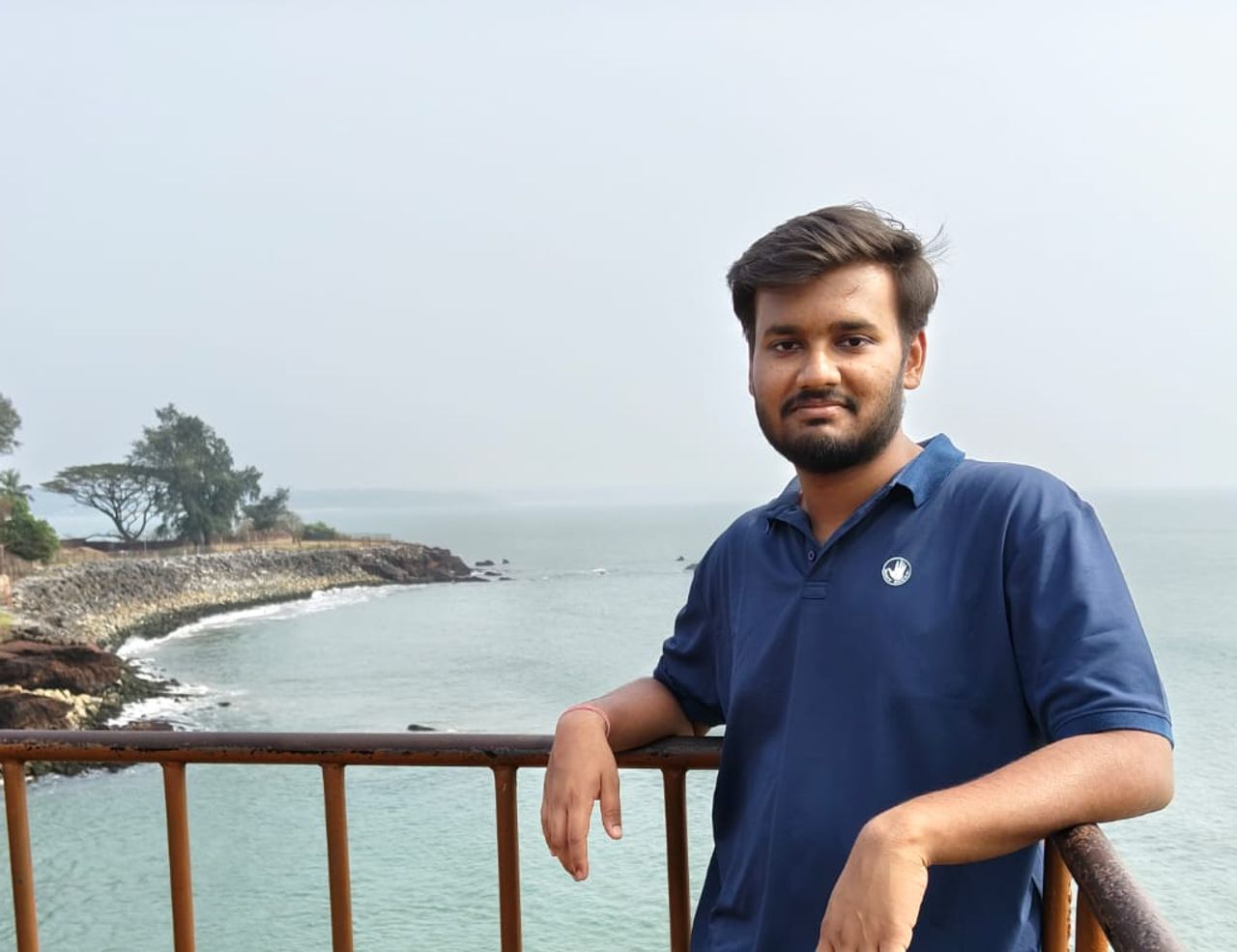
About Mohit Prakash Lal
Hi, I’m Mohit, an MBA student at TAPMI, Manipal, exploring the world of business with a focus on marketing and strategy. I’m interested in understanding how brands connect with people and create meaningful, lasting impact in a competitive landscape. I enjoy working on real-world projects across marketing, sales, and business development, where I can apply ideas in practical settings.
I also enjoy simplifying ideas into clear, practical insights. Outside of work, I like travelling, reading, and taking time to recharge.