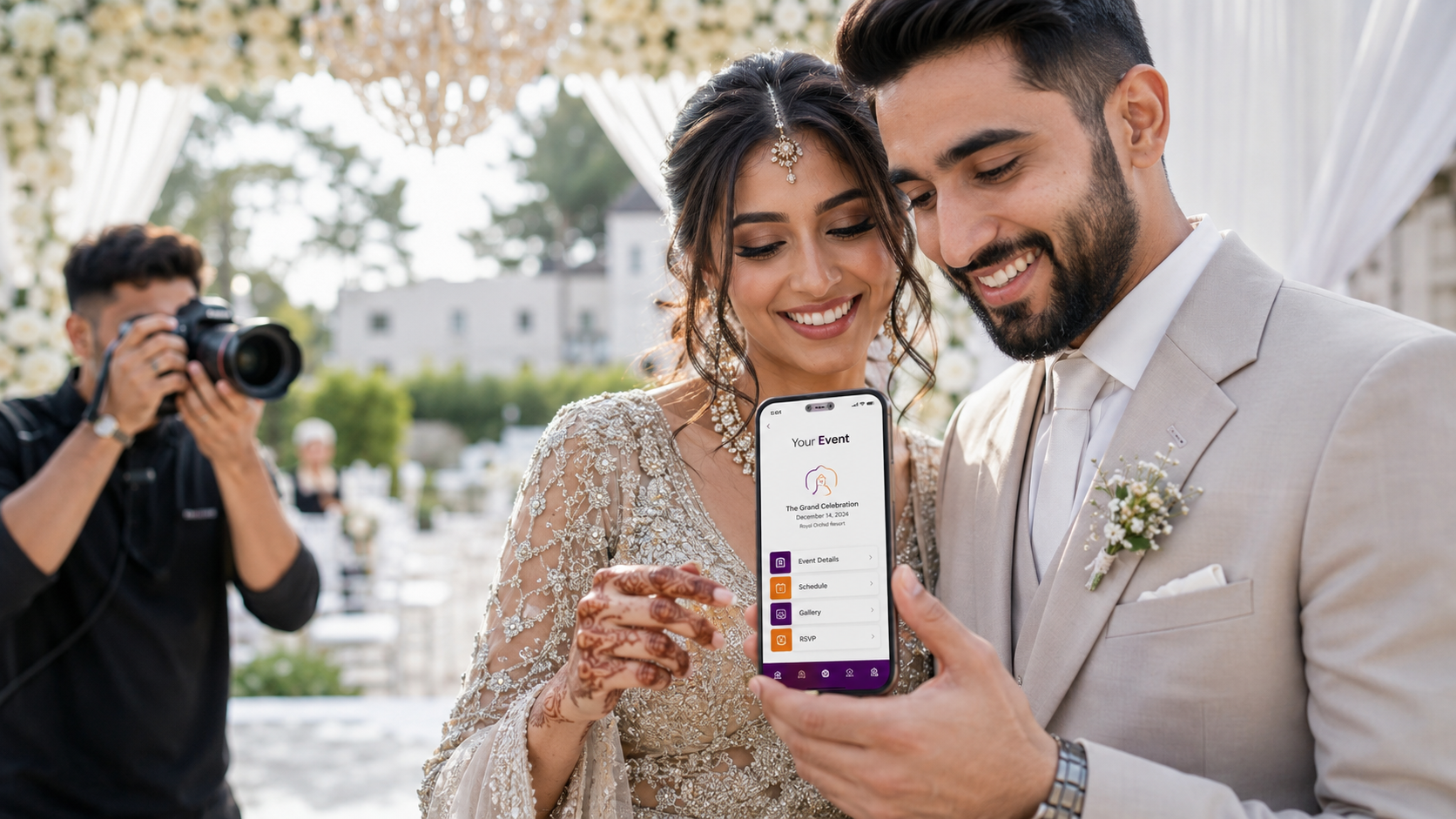
Introduction: The Gen Z Disruption in Wedding Media Consumption
Wedding photography is changing, but not because cameras are improving or editing software is becoming smarter. The biggest shift is happening on the consumption side.
A new generation of clients has entered the wedding market. Gen Z couples grew up with smartphones, social platforms, and on-demand experiences. They consume media differently, communicate differently, and expect digital experiences that match the speed of the platforms they use every day.
For photographers, this creates both a challenge and an opportunity.
Many studios still deliver galleries using workflows that were designed for desktop users. Shared links, downloadable ZIP files, and browser-based galleries were acceptable when laptops were the primary device for viewing photographs. Today, they increasingly feel outdated.
The rise of mobile wedding galleries, smartphone photo delivery, and mobile-first client portals reflects a broader change in customer behavior. Studios that adapt will be better positioned to attract modern clients, improve engagement, and create stronger post-event experiences.
The Demise of the Desktop
The modern wedding guest rarely experiences photographs from a desktop computer.
Most interactions happen on smartphones. Images are viewed on social feeds, shared through messaging apps, saved to camera rolls, and reposted within minutes. Asking guests to download ZIP files, browse folders, or navigate desktop-style interfaces creates unnecessary friction.
For Gen Z, convenience is not a premium feature. It is the baseline expectation.
The New Expectations of Gen Z Wedding Clients
The timeline between a wedding moment and social sharing continues to shrink.
Couples want access to highlights quickly. Guests expect photographs while conversations about the event are still active. What previous generations considered acceptable delivery timelines increasingly feel slow to mobile-first audiences.
The expectation is no longer simply receiving photos.
The expectation is receiving them effortlessly.
Why Traditional Wedding Galleries Struggle on Mobile
Many gallery providers claim to be mobile-friendly. In reality, most are desktop experiences compressed onto smaller screens.
The Problem with Browser-Based Galleries
Traditional web galleries often suffer from slow loading times, inconsistent layouts, browser caching issues, and reduced performance on weaker mobile networks.
These limitations may seem minor individually, but together they create friction that reduces engagement. Every additional step increases the likelihood that guests abandon the experience entirely.
For photographers, lower engagement means fewer downloads, fewer shares, and fewer opportunities to reinforce their brand.
What Modern Mobile Wedding Galleries Look Like
A true mobile-first experience is designed around smartphone behavior rather than desktop workflows.
Navigation is simplified. Images load quickly. Sharing becomes intuitive. Notifications bring users back into the experience rather than relying solely on email communication.
The goal is not simply making galleries accessible on mobile devices.
The goal is making mobile devices the primary destination.
Why Mobile-First Client Portals Create Better Engagement
One of the biggest advantages of mobile-first client portals is their ability to maintain engagement after the event.
Push notifications consistently outperform traditional email notifications because they reach users directly on the device they use most frequently. Offline viewing capabilities further improve accessibility by allowing guests to browse galleries even in areas with limited connectivity.
The result is a more consistent and engaging experience throughout the customer journey.
Re-Engineering the Studio Workflow for Smartphone Photo Delivery
The transition to mobile-first delivery requires more than a new gallery interface. It requires changes to the workflow itself.
Bridging the Camera-to-Smartphone Gap
Traditional workflows often begin after the wedding ends.
Images are transferred from memory cards, uploaded manually, organized, and eventually shared with clients. This process introduces delays before guests ever see a photograph.
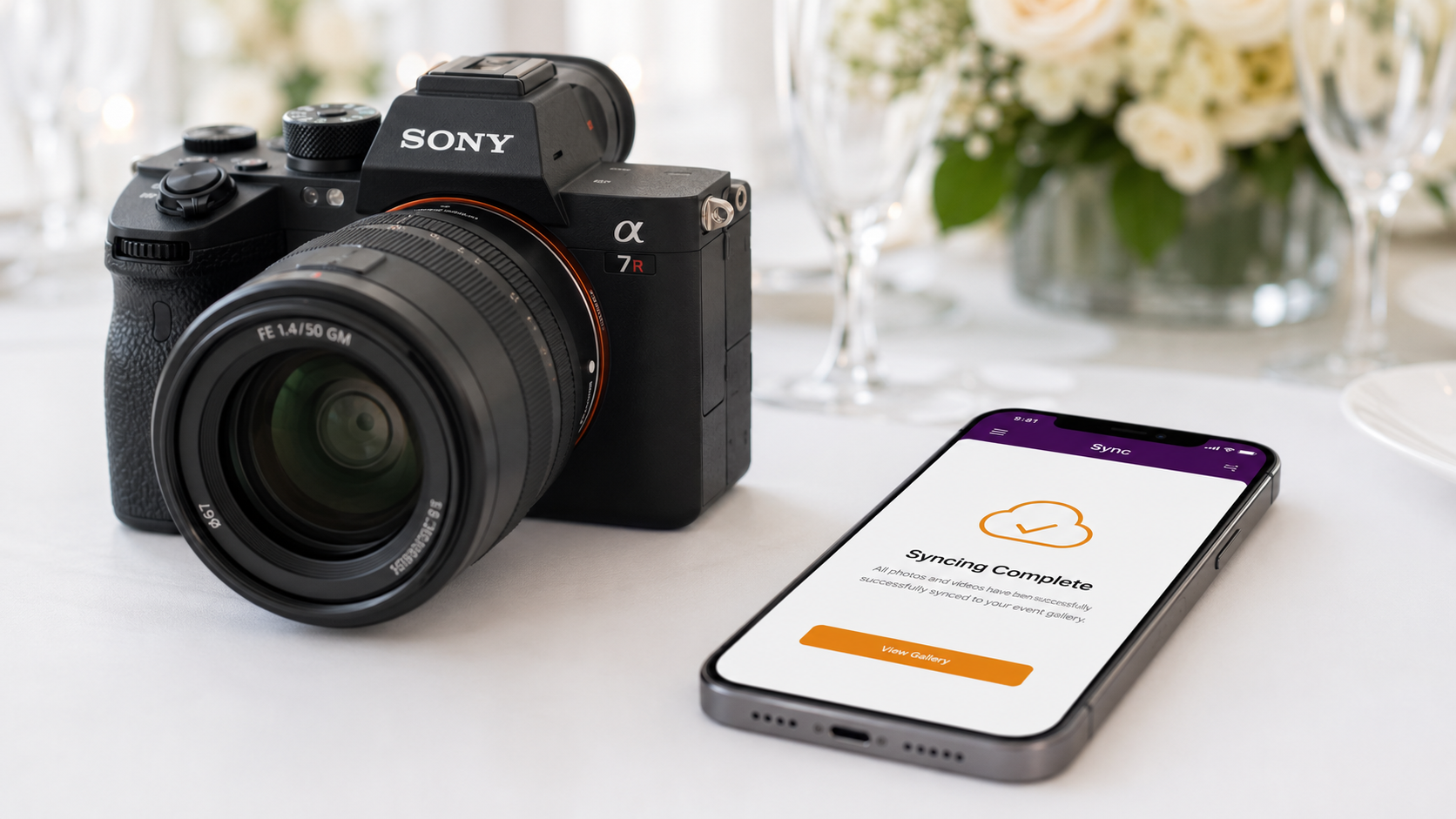
Modern camera-to-cloud workflows fundamentally change that timeline.
Through real-time syncing technologies, images can begin moving into cloud environments while the event is still taking place. Uploading no longer starts after midnight. It starts during the wedding itself.
Mobile-First Album Selection and Proofing
The client proofing process is another area where traditional workflows create friction.
Many photographers still rely on email chains, spreadsheets, or lengthy WhatsApp conversations to manage album selections. As image counts increase, these processes become increasingly difficult to manage.
Mobile-first proofing systems simplify the experience by allowing clients to shortlist, approve, and organize photographs directly within the gallery environment.
The result is faster approvals, fewer communication bottlenecks, and shorter payment cycles.
The Kamero Competitive Edge: Premium Native Infrastructure vs. Web Shortcuts
Most photography platforms offer mobile access.
Very few offer mobile-first infrastructure.
Why Native Experiences Matter
Many gallery providers essentially deliver websites optimized for smaller screens. Kamero approaches the challenge differently by building around dedicated mobile experiences.
Native iOS and Android environments create faster performance, stronger engagement, and a more seamless user experience. Features such as push notifications, offline caching, and app-based interactions simply perform better when they are built directly into the ecosystem.
For photographers, this translates into higher engagement and more frequent gallery interactions.
Beyond Gallery Hosting
Kamero's advantage extends beyond mobile delivery.
Kam-Sync enables real-time camera-to-cloud workflows over Wi-Fi and 5G networks, reducing dependence on manual uploads. The platform supports assets up to 50 MB without compromising quality and provides dynamic watermark controls, dual-logo branding options, and white-label experiences.
AI-powered face matching further enhances discoverability by helping guests locate their photographs quickly through privacy-focused, event-scoped recognition systems.
Instead of relying on multiple disconnected tools, photographers gain access to a unified ecosystem built specifically for event media.
Monetizing the Mobile Funnel
The shift toward mobile experiences creates opportunities that extend beyond client satisfaction.
Turning Engagement into Revenue
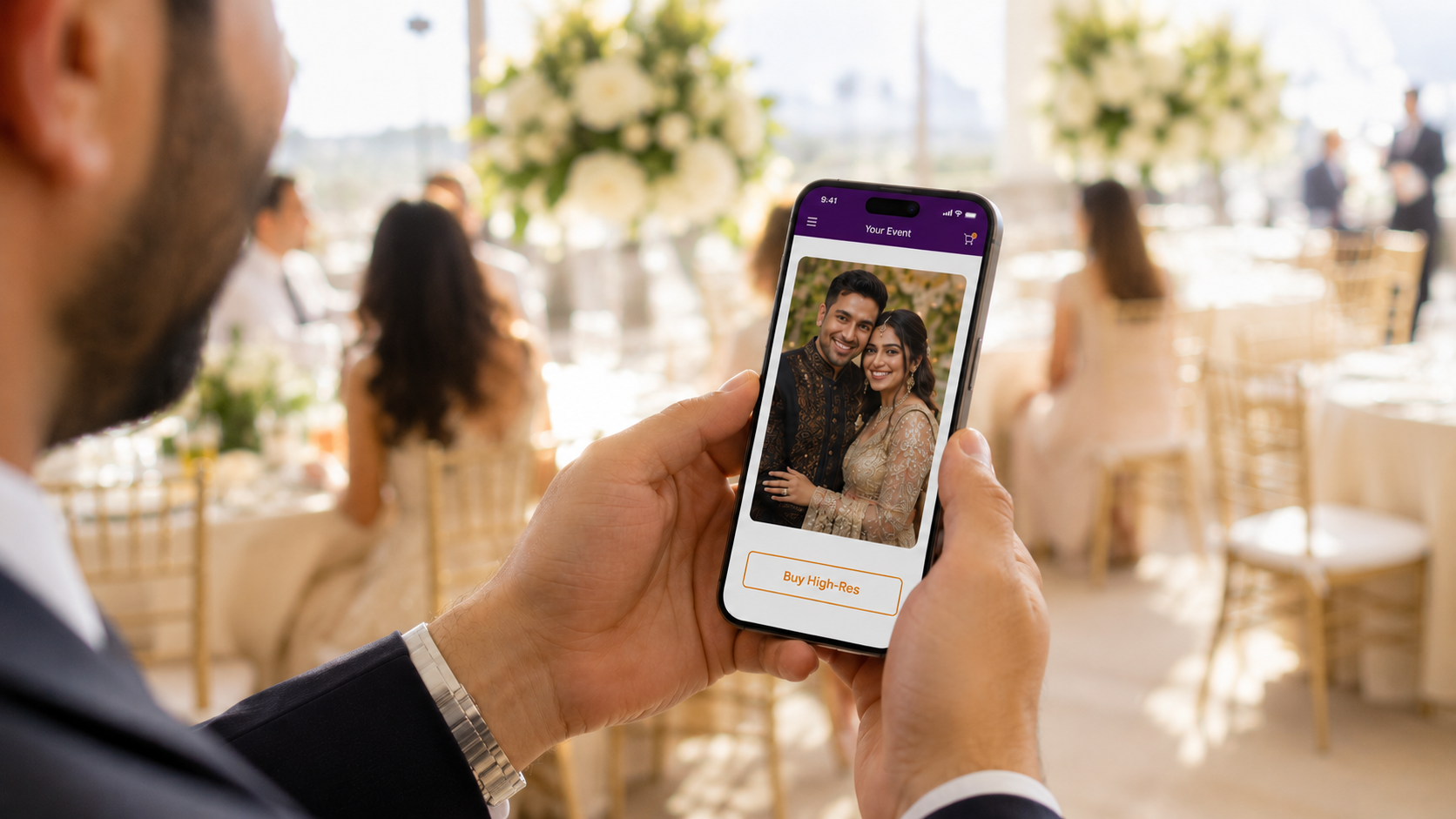
The more easily guests can access photographs, the more likely they are to purchase them.
Modern mobile wedding galleries can support multiple pricing models, including individual image purchases, personalized collections, and "All My Photos" packages powered by AI discovery.
When image discovery and purchasing occur within the same environment, conversion rates naturally improve.
Converting Guests into Future Clients
Every wedding guest represents a potential future lead.
Integrated business profiles, branded experiences, inquiry forms, and communication tools help photographers remain visible long after the wedding concludes.
Instead of functioning solely as delivery platforms, galleries become marketing assets that continuously generate exposure and future opportunities.
Conclusion: Future-Proofing Your Photography Business
The future of Gen Z wedding photography is not simply about taking better photographs.
It is about delivering experiences that match how modern audiences consume media.
Clients increasingly expect instant access, seamless sharing, and mobile-first interactions. Studios that continue relying on desktop-era delivery models risk creating unnecessary friction in an otherwise exceptional customer experience.
The good news is that the transition does not require reinventing your business. It requires adopting tools and workflows designed around the realities of modern media consumption.
The photographers who embrace this shift today will be the ones best positioned to thrive over the next decade.
Ready to Build a Mobile-First Wedding Experience?
Deliver galleries faster, engage clients more effectively, and create smartphone-first experiences that modern couples expect.
• Book a Demo: See Kamero's mobile-first ecosystem in action
• Start Your Free Trial: Experience modern gallery delivery firsthand
• Follow Us on Instagram: Stay updated on photography technology and workflow innovations

About Mayank Oraon
Hi, I’m Mayank, an MBA student exploring the business world with a focus on operations, supply chain, and product strategy (aka the parts of a business that keep things from quietly falling apart).
I’m interested in understanding how systems actually run behind the scenes- and why they sometimes don’t. I also enjoy simplifying complex ideas - partly because it helps others, and partly because if I can’t explain it simply, I probably didn’t understand it in the first place (which is a humbling but effective feedback loop).