Corporate event photography has reached a critical operational crossroads. For years, event organizers, brand marketers, and professional agencies relied entirely on facial recognition algorithms to sort, index, and distribute massive galleries of attendee photos. While biometric face-matching offered a novel way to deliver selfies to attendees, it introduces severe structural bottlenecks, privacy liabilities, and operational blind spots when applied to large-scale B2B conferences, exhibitions, and brand activations.
As enterprise expectations shift toward instant media distribution and ironclad compliance, the industry is moving past simple biometric scans. Modern media discovery pipelines now rely on keyword search event photo indexing and intelligent grouping mechanisms that capture the entire context of an event rather than just individual faces.

Introduction: The Bottleneck of Traditional Event Photo Delivery
When thousands of attendees converge on a multi-day convention, cameras capture hundreds of thousands of frames. Historically, moving these files from raw memory cards to searchable galleries involved either grueling manual sorting or heavy reliance on single-angle facial recognition engines.
The Limits of Pure Facial Recognition in Crowded Event Spaces
Biometric face-matching software looks good on paper, but it struggles in real-world event environments. Sub-optimal lighting angles, rapid movement on stage, profile shots, partial obstructions, and attendee mask-wearing or face paint cause standard face-matching pipelines to fail repeatedly. When an algorithm fails to match an attendee's face, those images get dumped into unsearchable "unknown" folders, effectively hiding valuable moments from the gallery entirely. Furthermore, relying exclusively on face-matching leaves out critical contextual assets—such as sponsor booths, keynote slides, product displays, and crowd reactions—that do not feature a clear human face.
The Rising Demand for Corporate Media Discovery Pipelines
Enterprise marketing teams no longer want to wait 48 hours for an agency to manually tag folders. The expectation is instantaneous availability. Modern corporate media pipelines require an infrastructure capable of ingesting raw gigabytes, parsing context, and making every asset instantly searchable the moment the shutter clicks.
What is Automated Smart Cluster Image Cataloging?
To solve the limitations of biometric-only workflows, modern platforms leverage automated smart cluster image cataloging. Instead of isolating individuals, this approach looks at the ecosystem of the photo—analyzing visual context, surrounding text, objects, and spatial relationships to group related assets intelligently.
How Metadata and Object Detection Supersede Simple Biometric Scans
Advanced computer vision goes far beyond a facial bounding box. By deploying automated object detection, optical character recognition (OCR) on presentation slides, and scene-understanding models, systems can categorize images based on what is actually happening. An image of a CEO holding a new product on a branded stage is automatically tagged with relevant context, making it discoverable through natural language queries rather than a face map.

Grouping Assets by Context: Sessions, Sponsors, and Keynotes
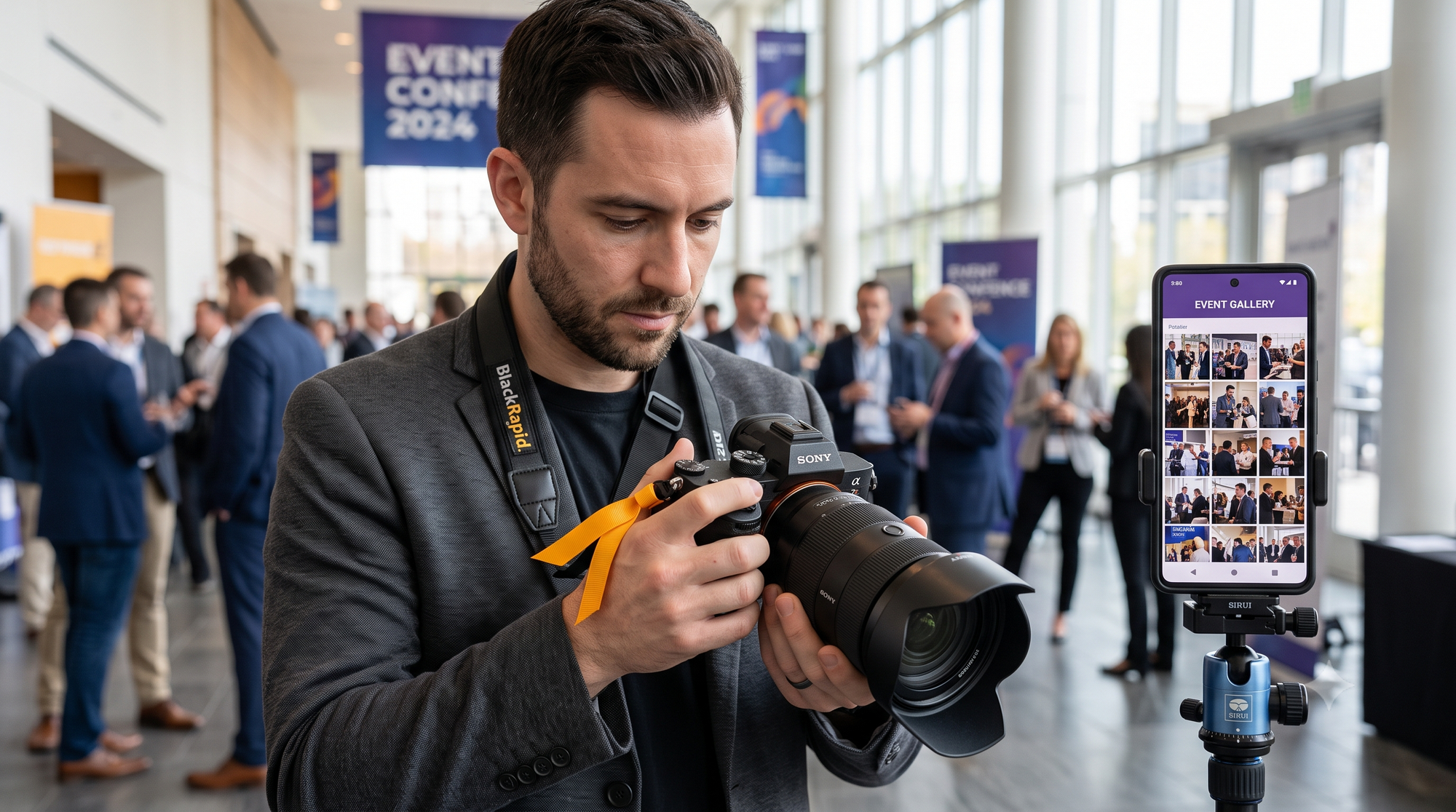
Smart clustering organizes galleries naturally around event milestones. Photos are automatically sorted into semantic clusters: opening keynotes, panel discussions, VIP networking lounges, and specific sponsor exhibitions. This structural organization mirrors how marketing and PR teams actually search for assets—by event segment and strategic value, rather than raw headcounts.
Overcoming Privacy and Compliance Roadblocks
Beyond technical limitations, regulatory pressure is fundamentally reshaping how event organizers handle visual data. Global privacy frameworks, enterprise data governance policies, and rising consumer awareness mean that mandatory biometric data collection is becoming an unacceptable liability.
Why Enterprise Clients Are Moving Away from Mandatory Facial Data Collection
Forcing corporate attendees to scan their faces or opt into biometric profiles to receive event photos creates friction and legal exposure. Many enterprise clients now explicitly prohibit vendors from harvesting facial geometry data at their conferences. Relying on face-matching as the sole indexing mechanism locks organizers out of servicing privacy-conscious corporate accounts.
Leveraging Non-Facial Recognition Image Tags for Secure, Broad-Scale Sorting
The solution lies in shifting toward non-facial recognition image tags. By cataloging environments, apparel, logos, typography, and scene categories, platforms can achieve lightning-fast sorting without processing or storing sensitive biometric templates. This approach satisfies strict corporate compliance guidelines while maintaining high-speed discoverability across multi-thousands of assets.
The Kamero Advantage: Speed, Scale, and Brand Safety
Kamero was engineered from the ground up to solve the exact friction points that legacy digital asset management (DAM) and basic gallery tools fail to address.
How Kam-Sync and Custom White-Label Applications Streamline Delivery
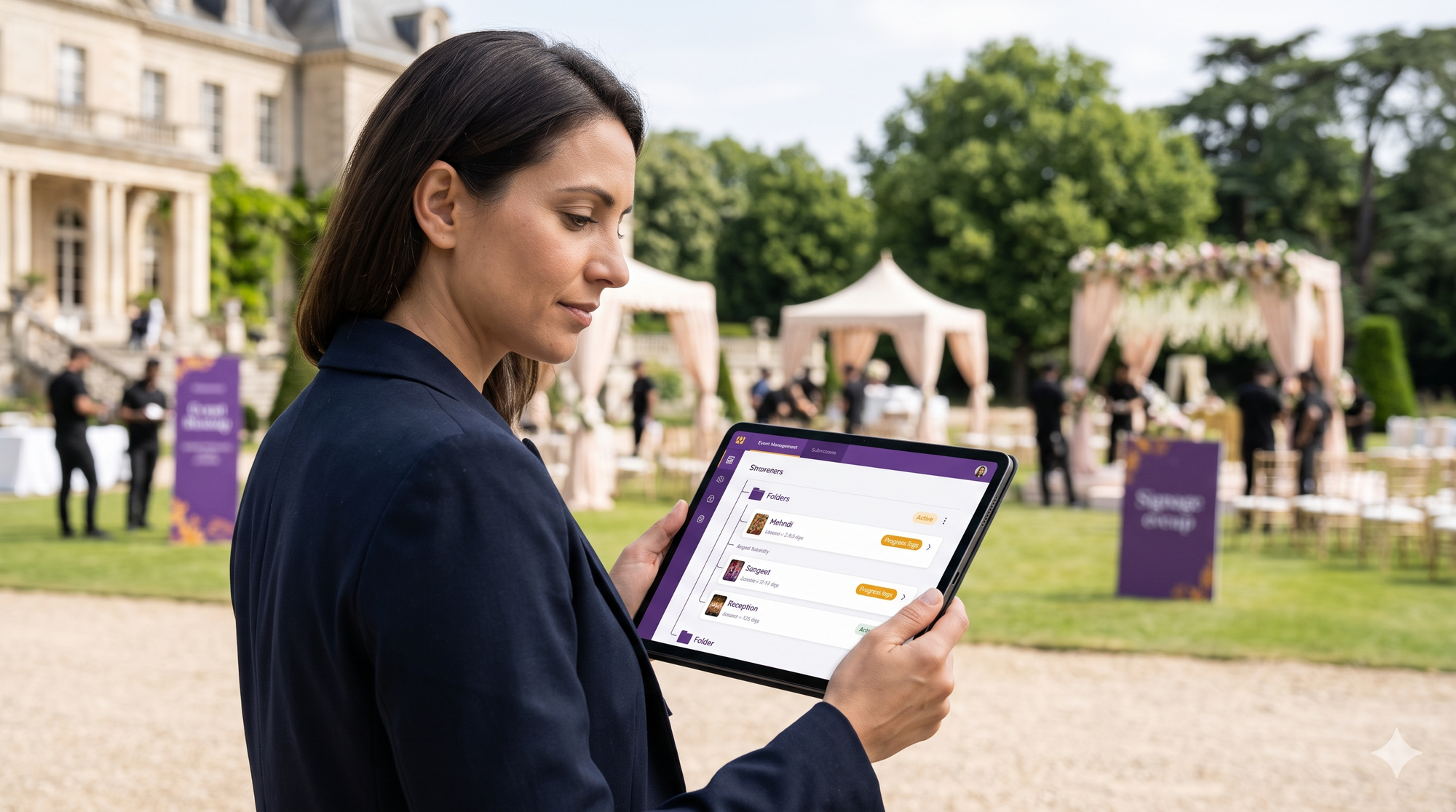
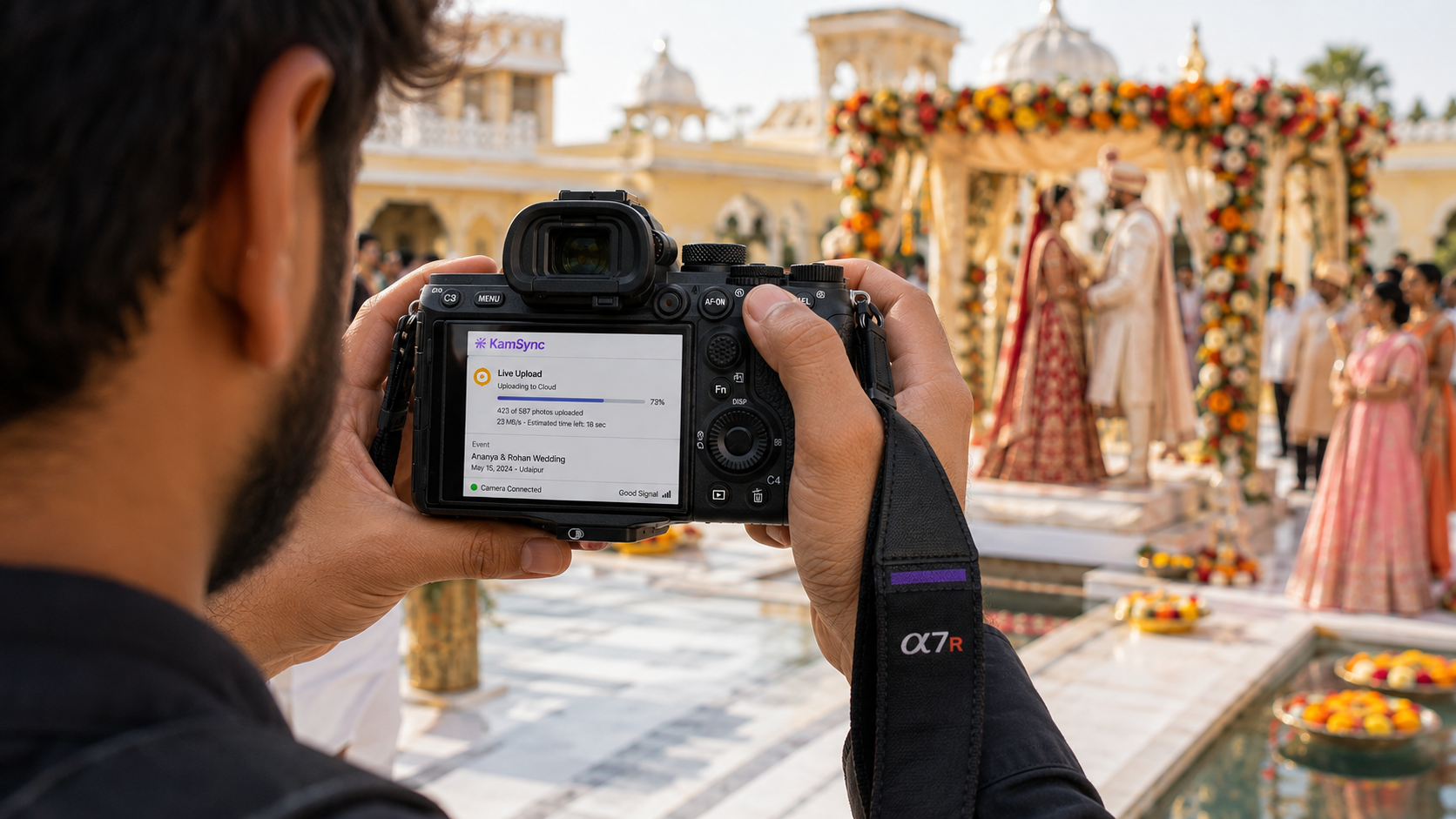
Kamero integrates seamlessly into existing event workflows through proprietary distribution engines like Kam-Sync, empowering brands to deploy custom white-label applications that match their exact visual identity. Instead of forcing users through third-party portals laden with competitor branding, event organizers deliver galleries under their own domain with instant, frictionless access.
Conclusion & Next Steps for Organizers
The era of relying solely on facial recognition to manage event media is coming to a close. To maximize engagement, protect attendee privacy, and accelerate time-to-market for marketing teams, event professionals must adopt intelligent, context-aware indexing frameworks.
Ready to transform your event photo workflow? Book a Demo with Kamero today to see how our advanced AI pipeline can elevate your next exhibition, or Sign Up for a Free Trial on Kamero to experience lightning-fast, privacy-compliant media delivery firsthand. Don't forget to Follow us on Instagram for behind-the-scenes workflow tips and event tech insights!

About Pavani Nagar
Hey there! Pavani Nagar, a Digital Marketing Manager who enjoys working on content, social media, and figuring out what makes people pay attention. I like trying new ideas, learning along the way, and keeping things simple.