Introduction: The Behavioral Shift in Mass Athlete Media Consumption
The way athletes consume event photography has changed dramatically.
A decade ago, race participants were willing to wait days for photos to be uploaded to a website. They would return home, open a laptop, search through galleries, and eventually download a few images to keep as memories.
Today, that behavior has largely disappeared.
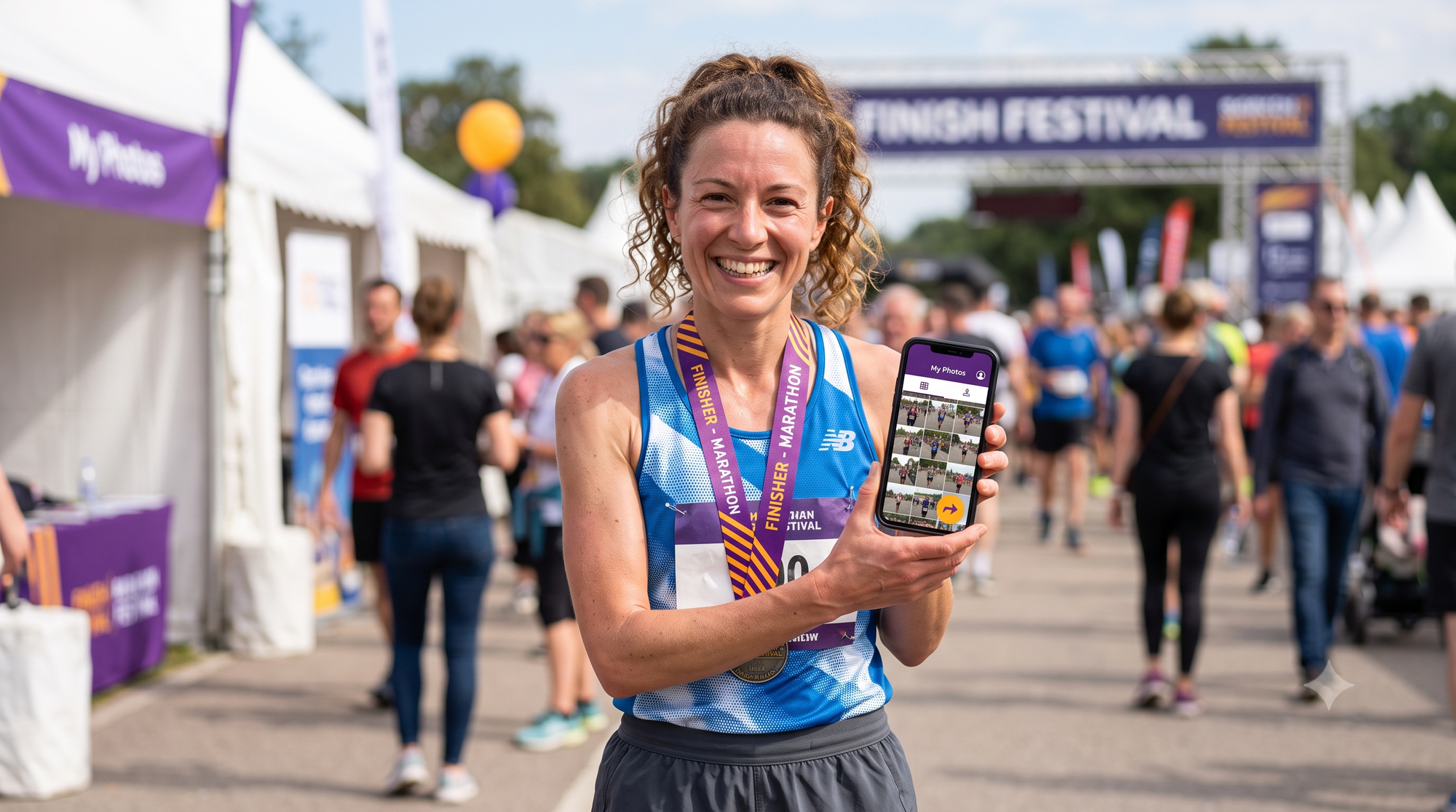
Modern runners expect their race experience to continue long after crossing the finish line. They want immediate access to their photos, instant sharing capabilities, and a seamless mobile experience that fits naturally into how they already use their smartphones.
For marathon organizers and sports photographers, this shift is creating a new benchmark. Delivering photos is no longer enough. The speed, accessibility, and discoverability of those photos now play a major role in participant satisfaction.
The Friction Point of Old-School Desktop Photography Portals
Many race photography workflows were built for a different era.
Participants often receive a gallery link days after the event and are expected to search through thousands of images manually. These galleries are frequently optimized for desktop screens, require extensive browsing, and offer little personalization.
The result is a frustrating user experience.
When runners struggle to find their photos, engagement drops. Many abandon the search entirely, reducing both participant satisfaction and the overall value of the event photography program.
Why Mobile Race Day Galleries Have Become Essential
The highest engagement window for race photography occurs immediately after the event.
Athletes are actively checking race times, posting finish-line selfies, messaging friends, and sharing their achievements across social media platforms. This is the moment when race memories are most valuable.
A delayed delivery workflow misses that opportunity.
By contrast, mobile race day galleries allow participants to access their photos while excitement is still at its peak. The faster athletes receive images, the more likely they are to download, share, and engage with event content.
This shift is turning rapid athlete photo delivery into a competitive advantage for race organizers and photography teams.
Technical Architecture: Engineering Frictionless Visual Pipelines for Mobile Viewports
Delivering race photos instantly requires more than a gallery website. It requires infrastructure designed specifically for speed, reliability, and large-scale mobile access.
The most successful event photography operations now focus on eliminating delays throughout the entire workflow.
Direct Edge Ingestion via Wireless Streaming Networks
Traditional workflows depend on memory card transfers, laptop imports, and manual uploads after the event.
Each step adds delay.
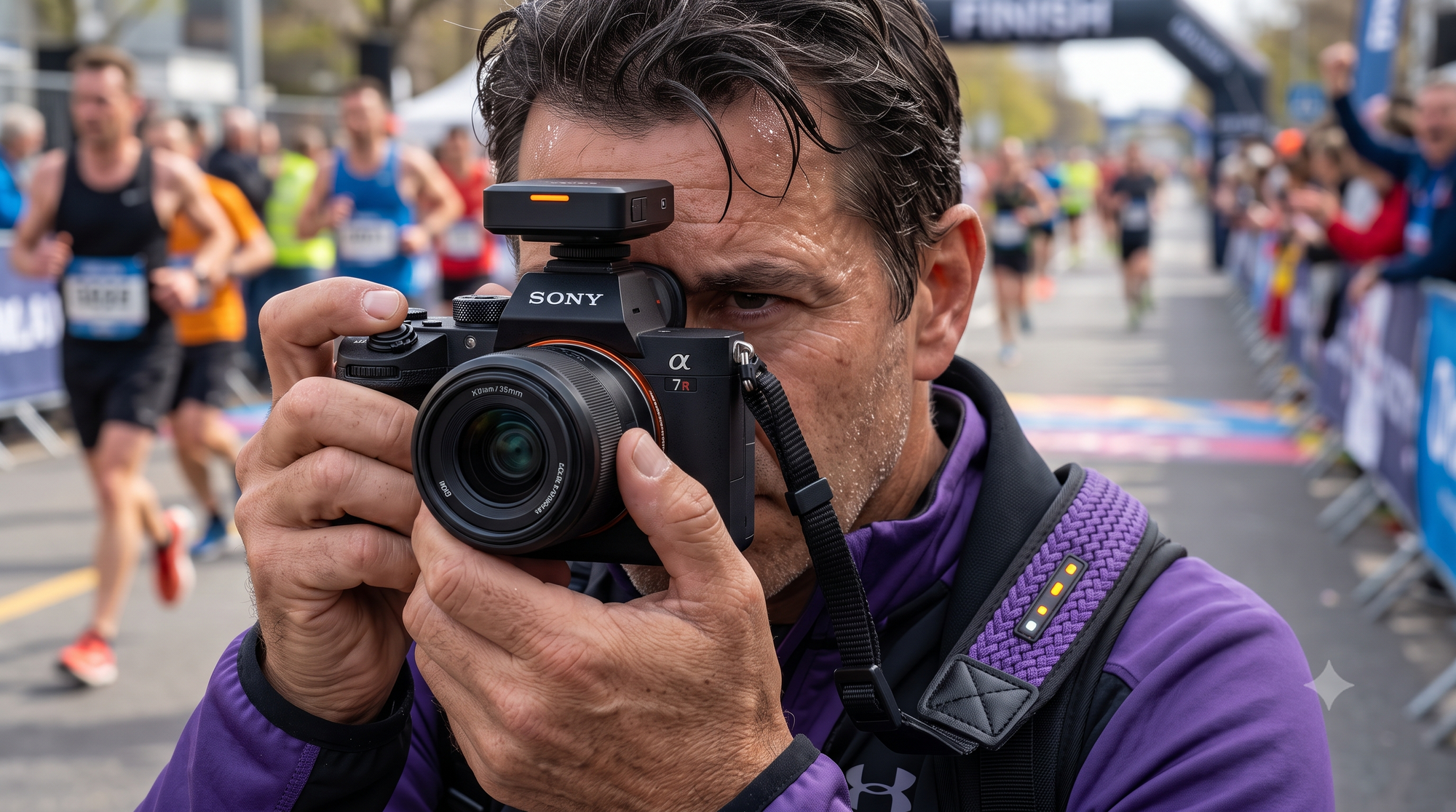
Modern camera-to-cloud workflows eliminate these bottlenecks by allowing images to move directly from the camera into cloud infrastructure while the race is still underway.
Instead of waiting until photographers return to a workstation, uploads begin automatically in the background.
This dramatically reduces delivery times and helps photographers focus on capturing the event rather than managing files.
Managing High-Volume Image Transfers at Scale
Marathons generate enormous volumes of media.
A single event may produce thousands of images from multiple photographers positioned across the course, finish line, and celebration zones.
To support rapid athlete photo delivery, platforms must process large files efficiently without slowing user access.
Modern cloud architectures achieve this by generating lightweight preview assets for immediate viewing while simultaneously preserving high-resolution originals for later download and archival purposes.
The result is a faster participant experience without compromising image quality.
Why Native Mobile Experiences Matter
Athletes interact with race content almost entirely through smartphones.
A platform optimized for desktop screens often creates unnecessary friction on mobile devices through slower loading times, awkward navigation, and inconsistent performance during traffic spikes.
Mobile-first systems are built around how users actually behave.
They prioritize fast loading, simplified navigation, push notifications, and instant content access directly from a smartphone.
For race organizers, this translates into higher engagement rates and stronger participant satisfaction.
Optimizing the Discovery Path: Personalization Through AI
One of the biggest challenges in race photography is helping participants find their photos quickly.
Searching through thousands of race images manually is inefficient and often discouraging.
AI-powered discovery changes that experience completely.
The Self-Serve Discovery Journey
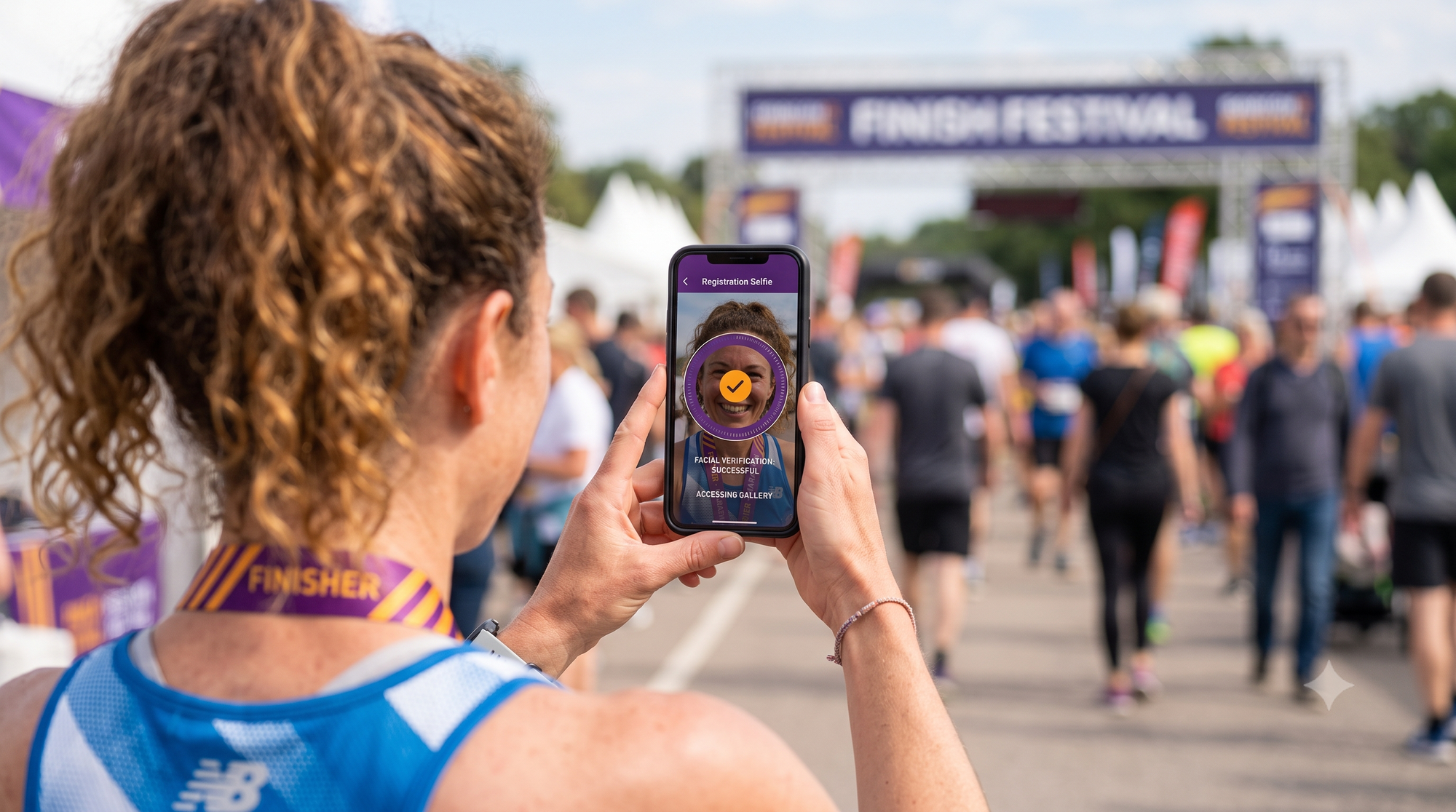
Modern race galleries increasingly use secure selfie-based identification systems.
Participants upload a selfie, and the platform automatically identifies relevant photos from the event.
Instead of browsing endlessly through directories, runners receive a personalized collection of images within seconds.
This significantly reduces search fatigue and improves overall engagement with event content.
Protecting Privacy While Improving Discovery
Speed should never come at the expense of privacy.
Athletes expect convenient access to their photos, but they also expect their personal data to remain protected.
Modern systems address this through event-specific matching environments that limit photo discovery to authorized users.
This creates a more secure experience while preserving the convenience of AI-powered personalization.
The result is a workflow that balances rapid discovery with responsible data handling.
The Kamero Competitive Edge: Mobile-First Delivery vs. Fragmented Web Utilities
Many event photography platforms were originally designed as basic gallery systems.
While they can store images, they often struggle to deliver the speed, personalization, and mobile experience that modern races require.
Kamero approaches race photography differently.
Through Kam-Sync camera-to-cloud workflows, images can move directly from photographers into cloud infrastructure during the event itself. AI-powered discovery tools help participants find their photos quickly, while native mobile applications create a smoother experience than traditional browser-based galleries.
Additional capabilities such as automated WhatsApp notifications, dynamic watermarking, white-label branding, role-based access controls, and event-scoped privacy frameworks help organizers manage race photography at scale without introducing operational complexity.
Rather than acting as a simple storage solution, Kamero functions as a complete event media delivery infrastructure.
Commercial Optimization: Turning Athlete Engagement Into Long-Term Studio Scale
The benefits of mobile-first delivery extend beyond participant satisfaction.
Faster access creates stronger engagement, and stronger engagement creates new business opportunities.
Reclaiming Operational Margin
Many photography teams still rely on multiple disconnected tools for storage, culling, watermarking, communication, and delivery.
Managing these systems increases administrative overhead and creates workflow inefficiencies.
A consolidated platform reduces this complexity and allows teams to spend more time creating value rather than managing software.
This can improve profitability while simplifying race-day operations.
Transforming Media Distribution Into Lead Generation
Every participant interaction represents a potential future relationship.
Well-designed galleries can help organizers and studios build stronger connections with athletes, sponsors, clubs, and future event participants.
Custom-branded portals, integrated business profiles, and structured registration systems help transform photography engagement into a long-term growth channel rather than a one-time transaction.
As participant expectations continue to evolve, media delivery is becoming an increasingly important part of event marketing and brand development.
Strategic Conclusion: The Connected Future of Mobile Sports Photography
Race photography is no longer just about documenting an event.
It is becoming an integral part of the participant experience.
Athletes now expect instant access, mobile-first interfaces, personalized discovery, and seamless sharing capabilities. Events that fail to meet these expectations risk reducing engagement during the most valuable post-race moments.
The future belongs to platforms that combine rapid delivery, intelligent personalization, strong privacy controls, and frictionless mobile experiences.
As races continue to grow in scale and sophistication, mobile race day galleries will become the standard rather than the exception.
The organizations that adopt this approach early will be better positioned to create memorable participant experiences while building stronger long-term commercial value.
Ready to Deliver Race Photos at the Speed Athletes Expect?
Discover how Kamero helps marathon organizers and sports photographers deliver faster, engage participants more effectively, and streamline large-scale race media operations through AI-powered galleries, Kam-Sync camera-to-cloud workflows, privacy-first discovery, and mobile-first delivery infrastructure.
Book a Demo: Click Here
Start Your Free Trial: Click Here
Follow Kamero on Instagram: Click Here
About Nidhi S
Hey there! I’m an MBA student with a keen interest in the evolving world of digital marketing and business strategy. I enjoy exploring how brands build their online presence and the creative process behind turning strategic goals into engaging stories.
When I’m not caught up in marketing trends, you’ll probably find me down a YouTube rabbit hole or binge-watching sitcoms. I’m a fan of good stories—whether they’re in a marketing campaign or a 20-minute TV episode—and I’m always looking for new perspectives to keep things interesting!